Institutional Report & Proof of Concept · August 2025
Talent Has No Border.
18 Freelancers. 3 Days. Endless Possibilities.
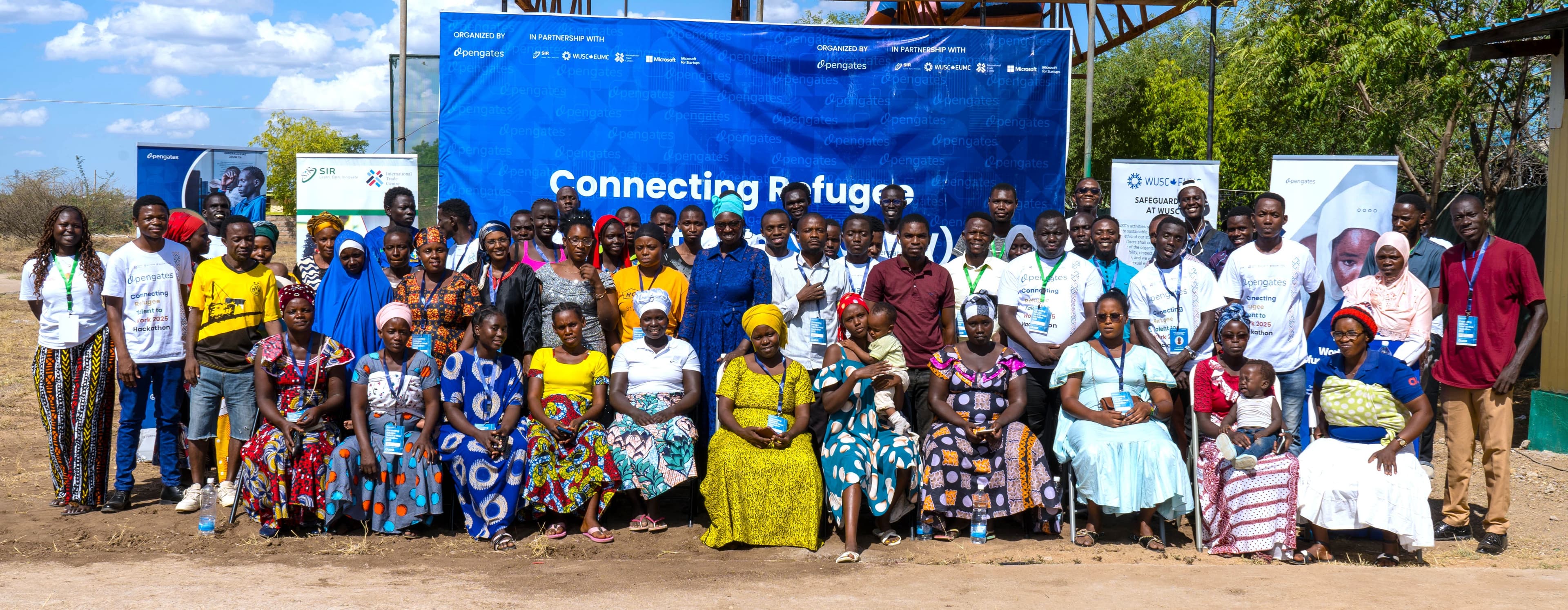
From August 27–29, 2025, Opengates Link Limited convened the inaugural CRTW Hackathon in Kakuma Refugee Camp with catalytic funding from the World University Service of Canada (WUSC), and in strategic partnership with the International Trade Centre (ITC), KOICA, Solidarity Initiative for Refugees (SIR), and Microsoft for Startups. This report documents the hard employment outcomes, economic baseline, and validated market viability of our inaugural proving ground.
Official Report Flipbook
Swipe or click page corners to turn pages like a physical publication. Complete with all 27 pages of the verified hackathon report, participant case studies, and donor acknowledgments.
Loading Interactive 2025 Flipbook...
CRTW 2025 at a Glance
Verified outcomes from the August 2025 3-day hackathon sprint in Kakuma Refugee Camp.
100% completion rate
7 Developers, 1 Marketer
Validated camp demand
Business & NGO leaders
Equity hardware draw
23.2K FB, 11.8K LinkedIn
“What happens when refugee youth are given the chance to show what they can do, not as beneficiaries, but as professionals?”
For too long, refugee youth have been defined by barriers. Yet in Kakuma, we witnessed something fundamentally different: 18 young freelancers standing with confidence, proving that talent and innovation can thrive even in the hardest places.
Opengates was created to open doors where they were once closed. Work is dignity, and dignity is hope. Kakuma and Kalobeyei serve as our inaugural proving ground, but the mandate of CRTW is global: to connect displaced talent anywhere in the world to commercial markets. The results of CRTW 2025 demonstrated that when artificial barriers are removed, refugee youth do not just compete—they lead.
The Kakuma & Kalobeyei Challenge
Documented in the WFP & Refugee Economies Program 2024 Study
In July 2023, WFP assistance was reduced to cover only 60% of basic food needs. Humanitarian aid remains an indispensable lifeline, but digital freelancing and enterprise modernization provide the only sustainable escape from dependency to economic self-reliance.
The 3-Day Sprint: Pathway in Practice
From competitive selection to commercial launch: how 18 refugee youth engineered startup prototypes under intense time and bandwidth constraints.
Opening & Orientation
From 41 applications, 25 youth were shortlisted, and 18 participants engaged fully. The agenda covered partner welcomes from Opengates, SIR, ITC, and WUSC, skill introductions, team formation, and challenge scope definition.
Building Like a Startup
Designers crafted brand kits and mobile-first wireframes. Developers built clickable prototypes engineered for low-bandwidth camp environments. Content and marketing leads produced launch copy, ads, and vendor onboarding funnels.
Demo Day & Paid Conversions
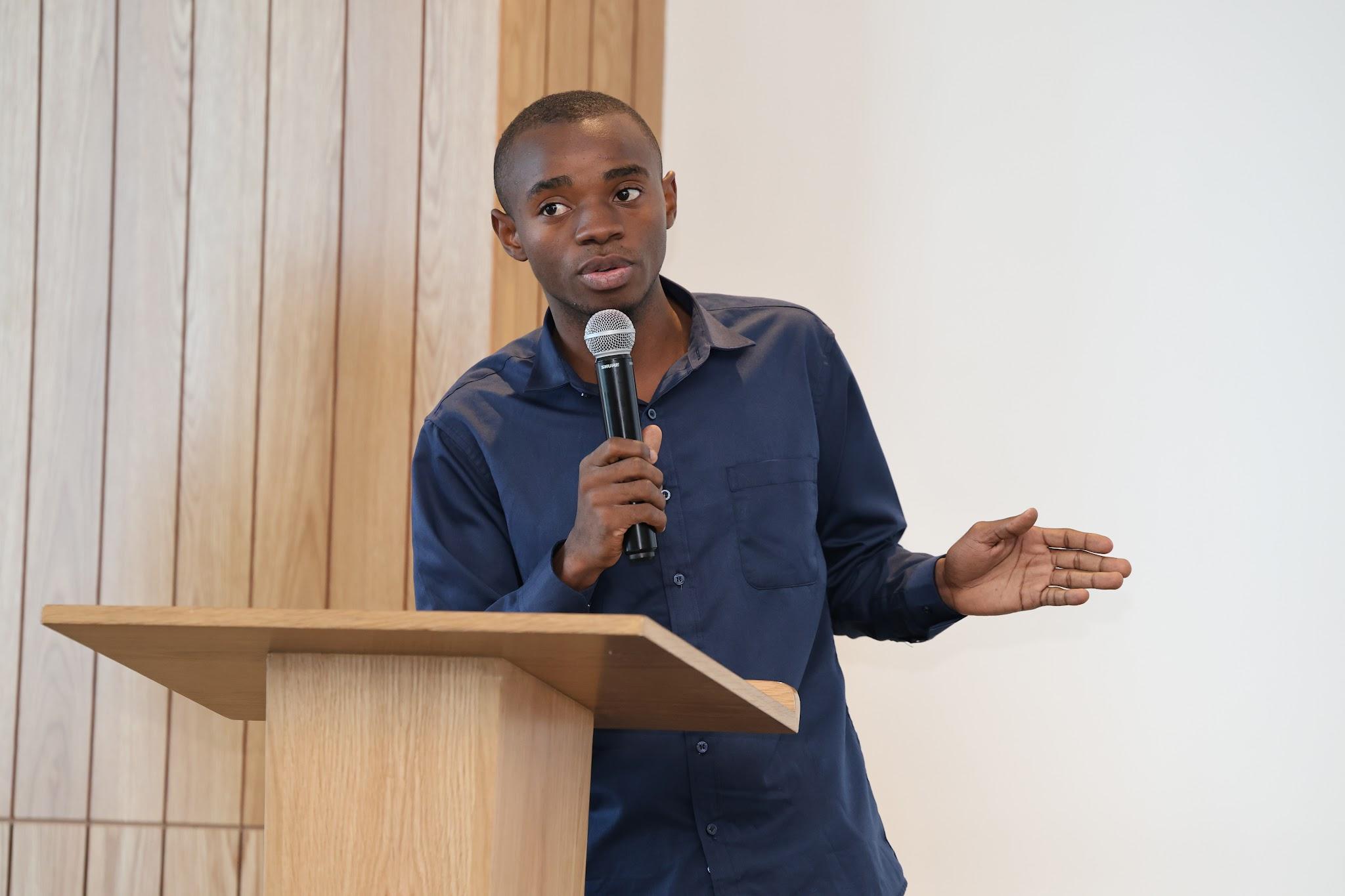
Over 70 guests, local merchants, and NGO stakeholders attended pitches. Conversations converted directly into paid engagements. An equity draw by SIR and ITC awarded 2 work-ready laptops to close the hardware gap.
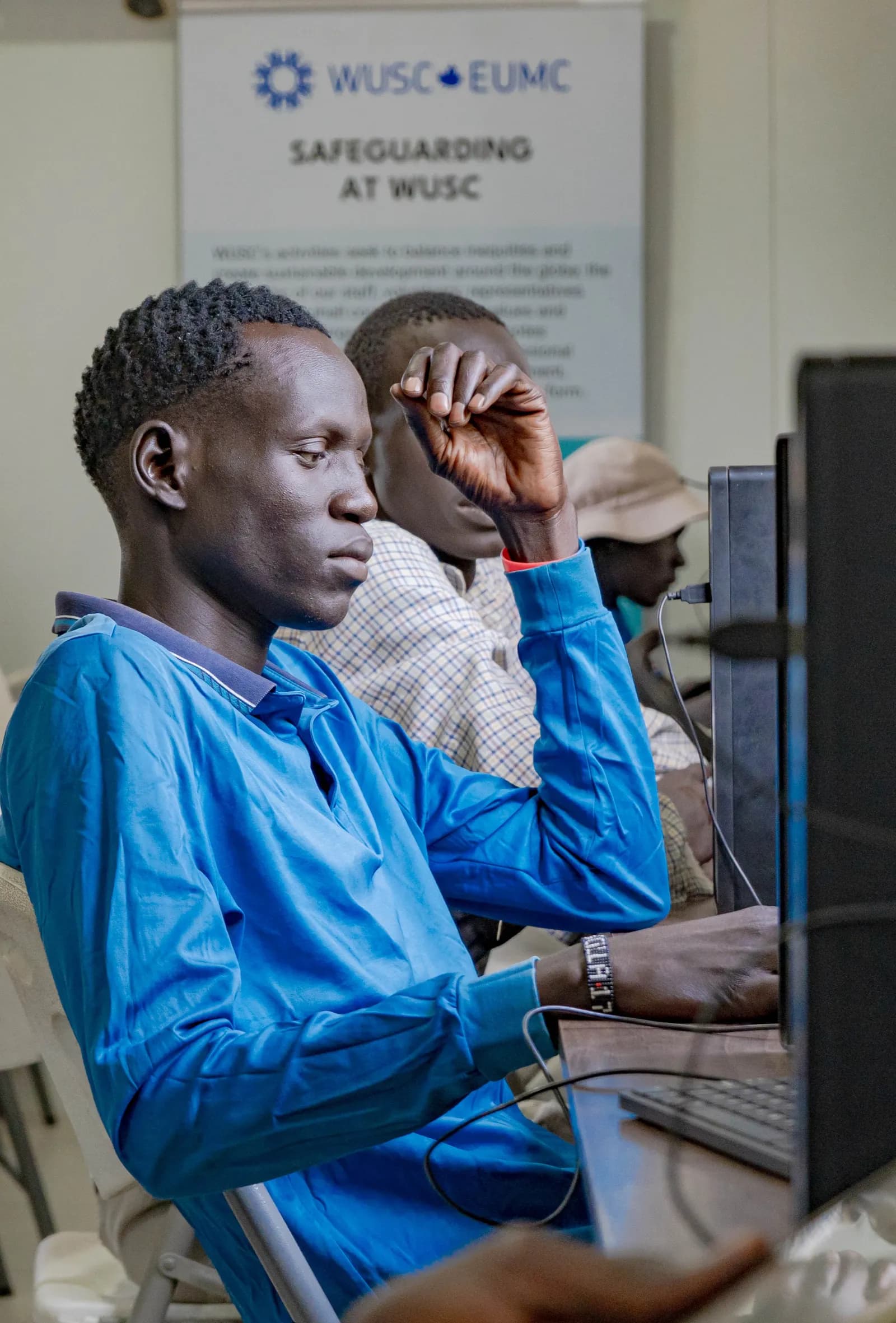
Day 2 Development Sprint: Engineering mobile-first, low-bandwidth e-commerce platforms at the WUSC technology facility in Kakuma.
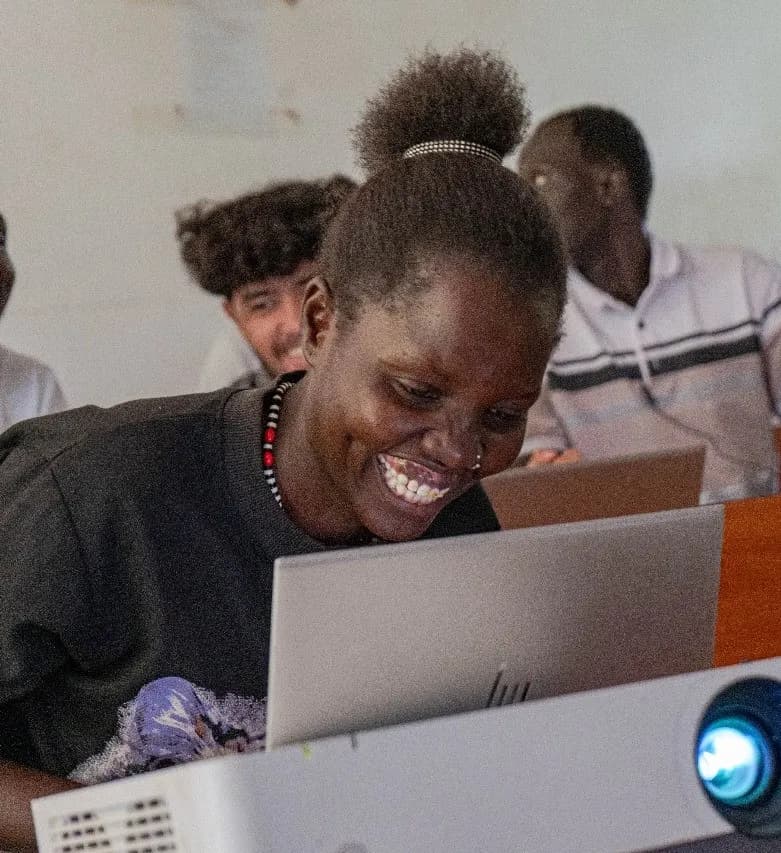
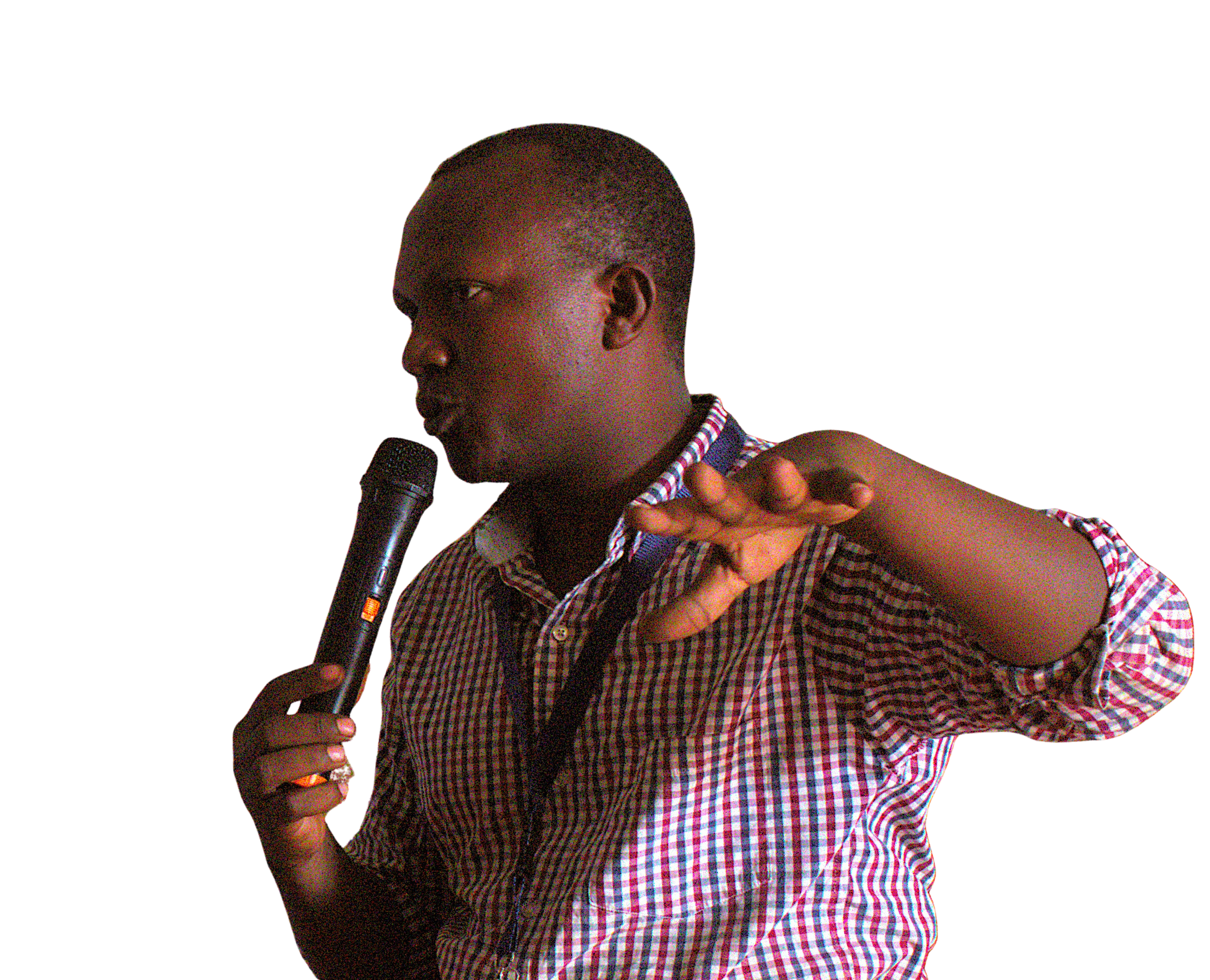
Day 3 Demo Day Pitching: Ayen Thon presenting live brand identities and e-commerce wireframes to local merchants and international jury members.
Market & Community Validation
“There is no need for us to seek web developers, designers, or digital marketers from Nairobi when we already have talented and capable people right here in the camp, ready to provide these services. The platform is ready, and the talents are ready as well. We are now seeking partners and organizations to outsource jobs to Opengates and hire directly from the platform.”

“These young people lifted a haze from my eyes. I now see that bringing my business online opens a much broader reach; if I had embraced social media earlier, many more people would already know my business... Businesses can operate smarter if they embrace online visibility through channels such as websites and social media, as these young people have just demonstrated.”
Spotlight on Hackathon Submissions
Participants did not create hypothetical exercises. Every squad produced live, market-ready digital assets responding to Turkana commercial needs.
Turkana Crafts Online
By Lwiho Rajabu
Live e-commerce platform giving artisans across Kakuma and Turkana direct market reach to global craft buyers, complete with product indexing and mobile payment.
Velourany Care Campaign
By Madut Mam
Integrated marketing rollout featuring an automated Mailchimp customer newsletter, paid social ad creatives, and a structured 5-post promotional calendar.
Brand Identity & Systems
By Ayen Thon Lul
Comprehensive brand identity kit featuring vector logo typography, packaging concepts, and an editorial storytelling narrative centered on local craft resilience.
Commercial Web Mockups
By Diing Atem
Full web architecture and mobile checkout wireframes, optimized for 3G camp connections with lightweight vector rendering and offline fallbacks.
Refugee Talent Case Studies
Detailed profiles from the official report: overcoming infrastructure constraints, mastering digital tools, and building economic self-reliance.
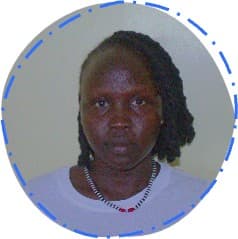
Ayen Thon Lul
“Designing logos for local clients proved that freelancing requires not just skill, but courage, especially as a woman navigating a space often dominated by men.”
Ayen started her freelance career designing visual identities for Kakuma entrepreneurs. Despite daily shortages of electricity and internet, she visits local community centers to maintain project consistency and deliver client milestones on time.
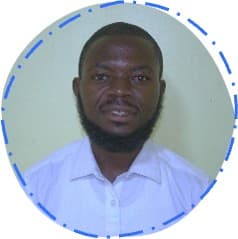
Amisi Mwanue Sila
“Building web platforms despite limited bandwidth and power shortages taught us to engineer efficiently, secure deposits, and deliver on time.”
Arriving in Kakuma in 2010, Amisi began his journey into technology after failing a computer DJ audition because he had never touched a PC. He trained at RAI and Don Bosco, and has developed live sites for Ubuntu Youth Org (Nairobi), Human Aid (Kakuma), and Youth Talent Innovation.
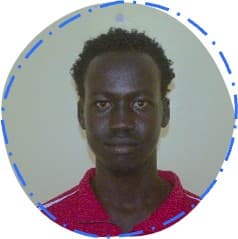
Diing Atem
“Freelancing keeps youth off the streets. With access to the internet, electricity, and the right tools, refugee youth can thrive and work globally.”
Trained at Learning Lions, Ding joined the CRTW Hackathon to challenge himself in a high-pressure commercial setting. He designed a complete e-commerce interface during the 3-day sprint, viewing deadlines as opportunities to sharpen discipline and execution speed.
Speakers, Panelists & Fellows
The August 2025 cohort: 18 certified refugee freelancers across web development, brand design, digital marketing, and content strategy.
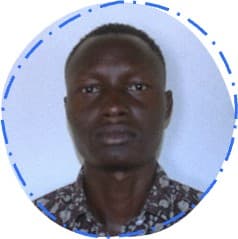
Hissen Tutu Suleiman
Website Developer
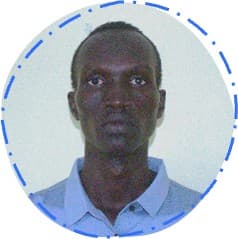
Wuor Bhang
Website Developer
Amisi Mwanue Sila
Website Developer
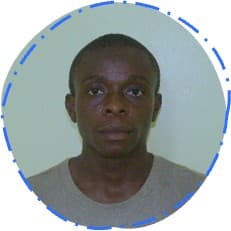
Lucien Hussein
Website Developer
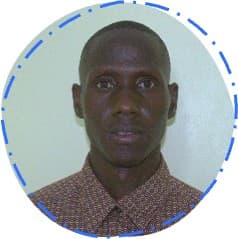
James Loree Ewoi
Website Developer
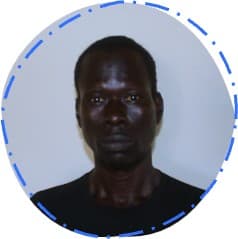
Silvio Ukoth Ukoro
Website Developer
Ayen Thon Lul
Graphic Designer
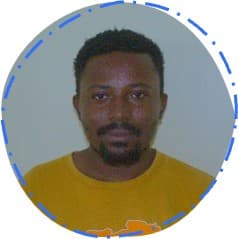
Destin Buhulukiro
Graphic Designer
Diing Atem
Graphic Designer
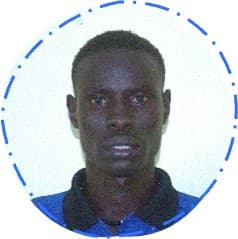
Moses Madut Mam
Graphic Designer
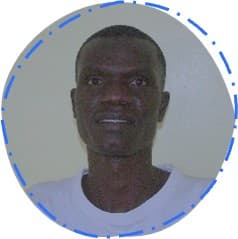
Otongole Abuna Shiro
Graphic Designer
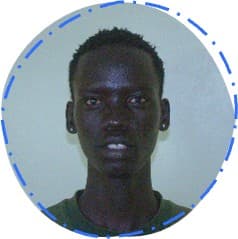
Nyuon Simon Duop
Graphic Designer
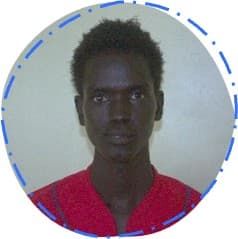
Thijin Simon Duop
Digital Marketer
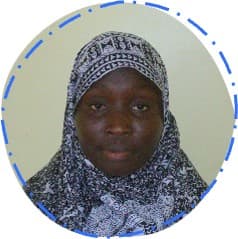
Darasalem Yakub
Digital Marketer
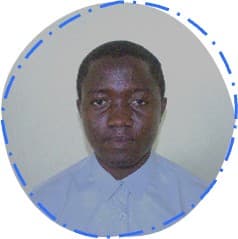
Lwiho Rajabu Chakila
Digital Marketer
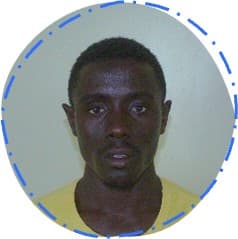
George Musa
Digital Marketer
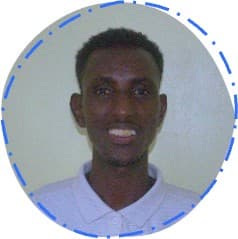
Hassan Omar Abdulle
Content Writer
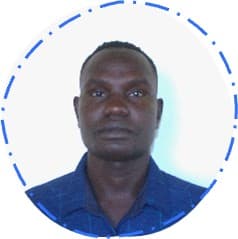
Chapoth Deng Gabriel
Content Writer
Organizing Consortium & Ecosystem Partners
Lead & Consortium Partners


Ecosystem Facilitators & Community Stakeholders
Be Part of the Next Cohort.
Whether you are a refugee developer ready to compete for paid client contracts, or a Kakuma/Kalobeyei merchant looking to digitize your store at zero cost, applications are open.